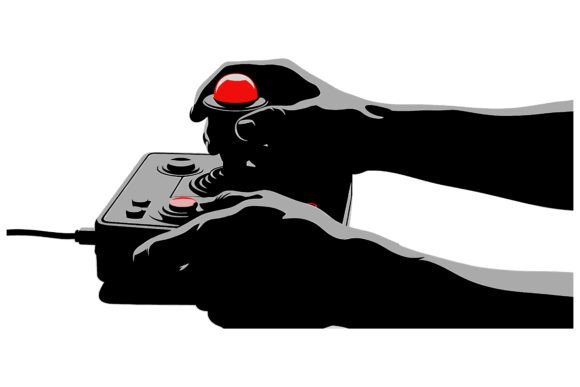
Hands Playing Retro Video Game Controller: More Than Just Nostalgia
There is something about the image of hands wrapped around a retro video game controller that hits differently. It is not just a picture of fingers on plastic. It is a visual cue that pulls at memory, energy, and a specific kind of joy that defined an era. Whether you see a classic joystick with a red ball top or a chunky black and white console pad, that silhouette of hands playing retro video game controller is instantly recognizable. It speaks to anyone who grew up with cartridge-based consoles or spent afternoons in arcades. But beyond personal nostalgia, this imagery has become a powerful tool for brands, creators, and businesses looking to connect with an audience that values both simplicity and emotional resonance.
A Visual Shorthand for a Golden Era
The silhouette of hands playing retro video game controller works as a kind of cultural shorthand. One glance and you are transported to a time when gaming meant sitting cross-legged on the floor, blowing into cartridges, and competing for high scores with siblings. That image carries weight because it is not abstract. It is grounded in a physical experience that millions of people shared. The red ball on the joystick, the rectangular D-pad, the satisfying click of buttons – these details matter. When a designer chooses a studio shot or an isolated EPS file of this scene, they are banking on that collective memory. It is a way to say, "We remember where we came from," without using a single word.
Where This Image Earns Its Place
The real magic of the hands playing retro video game controller image is how adaptable it is across different industries and mediums. It is not just a decoration for a retro game blog. It serves real, practical purposes in spaces you might not expect.
Branding and Product Design
Companies that sell gaming accessories, apparel, or even home goods often reach for this visual. A T-shirt with a clean silhouette of hands gripping a vintage joystick sells a feeling, not just a piece of clothing. That feeling is authenticity. It says the wearer values the roots of gaming culture. In product packaging, especially for limited edition runs or throwback collections, this image creates an instant emotional hook. A customer picking up a box with that silhouette already feels a sense of belonging.
Marketing Campaigns for Retro-Themed Events
Bar nights, arcade pop-ups, and retro gaming tournaments rely heavily on visual identity. A flyer or social media post featuring hands playing retro video game controller instantly communicates the vibe. It is not a generic modern controller. It is specific. It promises a night of classic games, simple mechanics, and friendly competition. Event organizers have found that using this imagery increases engagement because it triggers a personal memory. People do not just see an event. They remember playing Super Mario or Pac-Man after school.
Content Creation and YouTube Thumbnails
Content creators covering retro games, hardware reviews, or nostalgic deep dives need thumbnails that stop the scroll. A high-contrast silhouette of hands on a retro controller stands out against colorful, crowded feeds. It implies action and focus. It tells the viewer this video is not about modern graphics or complicated mechanics. It is about the tactile experience of playing something classic. Many creators have reported higher click-through rates when using this kind of imagery because it signals a specific niche that loyal retro fans are actively searching for.
Interior Decor and Themed Spaces
Gaming cafes, microbreweries with arcade corners, and even home offices benefit from framed prints or wall decals featuring this image. It sets a tone that is both nostalgic and approachable. A silhouette of hands playing retro video game controller in a black and white format fits a minimalist aesthetic while still carrying strong emotional weight. It becomes a conversation starter. Guests see it and immediately want to share their own gaming memories.
Different Audiences, Different Perspectives
The beauty of this visual is that it does not hit everyone the same way. Different people bring their own stories to it. Understanding those differences helps you use the image more effectively.
- The thirty-something parent sees this image and thinks about introducing their own child to the games they loved. It becomes a bridge between generations. For them, the silhouette is not just nostalgia. It is a promise of shared time and simple fun without screens dominating the experience.
- The collector or enthusiast notices the details. Is that a NES controller? A Sega Genesis pad? A joystick from a classic arcade cabinet? They appreciate accuracy. For this audience, using a generic controller shape can feel off-putting. They want the real thing or at least a silhouette that respects the original design.
- The small business owner sees a marketing asset. They might use this image on a menu for a retro themed restaurant or on merchandise for a local gaming club. They need high-quality files that reproduce well on different materials. An EPS file with clean lines matters more than photographic detail.
- The graphic designer looks at the composition and contrast. They think about how the silhouette interacts with typography, background, and other design elements. They value versatility. A JPG with a clean isolated background gives them room to play with color and layout.
Practical Considerations Before Choosing Your Asset
Not all images of hands playing retro video game controller are created equal. If you are sourcing this asset for a project, a few things deserve attention.
Style and Fidelity
Are you going for a pure silhouette or a more detailed studio shot? Silhouettes work well for logos, icons, and minimalist prints. They rely on shape recognition. A high-contrast black and white version can look striking on a white background. On the other hand, a close up action shot with visible hands and a realistic controller adds texture and emotion. That approach suits editorial content or large format prints where detail matters. Know your medium before you decide.
File Format and Scalability
If you are printing on merchandise or scaling the image for signage, an EPS vector file is your friend. It keeps the edges crisp no matter the size. A JPG might work for digital use, but check the resolution. A low-res version of a silhouette can look fuzzy and unprofessional, especially when it is a core visual element. Always test how the image holds up at the size you need.
Context and Audience Fit
Consider where the image will live. A gaming blog might use a playful, stylized silhouette. A high-end print for a gaming museum might need something more refined and realistic. The same image can feel cheap or elevated depending on the execution. Match the tone of the asset to the tone of the project.
The Strengths That Make It a Design Staple
This image has staying power for good reason. It is simple enough to work across formats but specific enough to carry real meaning. The tactile nature of the subject matter matters. People remember the weight of a controller, the resistance of a joystick, the click of a button. The silhouette captures that physical memory without needing to show hands in perfect detail. It is about the activity, not the person. That universality is rare. Anyone can project themselves into that image. It invites the viewer to remember their own hands gripping that controller. That is a powerful tool for connection.
When It Might Not Be the Right Fit
No visual is universal. If your brand or project leans heavily toward modern gaming, cutting edge technology, or professional esports, a retro controller silhouette might send the wrong message. It can feel dated or nostalgic in a way that undermines a forward-looking identity. Also, if your audience skews very young, they may not have the same emotional attachment to classic controllers. The image still works as a retro reference, but it loses some of its immediate, personal resonance. You have to know whether your audience is reminiscing or learning about this era for the first time.
Another limitation is overuse. Because this image is so popular in certain design circles, it risks becoming a cliché. A generic silhouette of hands on a retro controller appears in countless tutorials, blog headers, and cheap merchandise. To stand out, you need either a unique angle, a distinct art style, or a composition that feels fresh. That is where the difference between a stock asset and a custom illustration really shows.
The image of hands playing retro video game controller is not just a nod to the past. It is a practical, versatile asset that serves real needs across branding, events, content, and design. It works because it is rooted in a shared physical experience that many adults carry with them. Whether you are using a clean EPS silhouette for a logo or a detailed JPG studio shot for a print, this visual earns its place by connecting people to a time when gaming was about simple pleasure and direct interaction. That connection is not going anywhere.