Young Person Dancing in VR Headset: Strategic Uses for Visual Communication and Brand Positioning
The image of a young person dancing in a VR headset has become a recurring visual in marketing, editorial content, and digital design. At first glance, it appears straightforward: a figure in motion, immersed in technology, radiating energy and joy. But when examined through a strategic lens, this imagery carries layered meaning that can support specific goals in positioning, branding, audience engagement, and content strategy. Whether you are a marketer deciding on visual assets, a creator building a campaign, or a business owner refining your brand narrative, understanding the strategic value of this visual concept helps you deploy it with intention rather than defaulting to generic stock imagery.
What the Image Represents Beyond the Surface
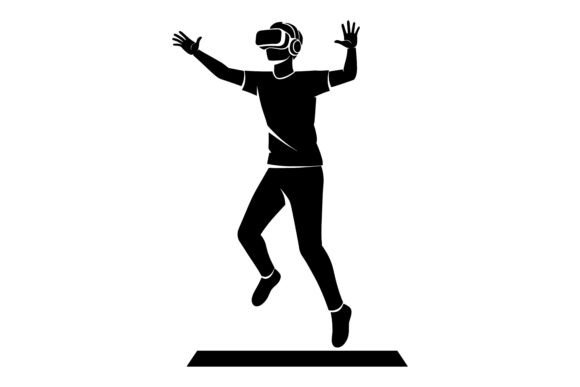
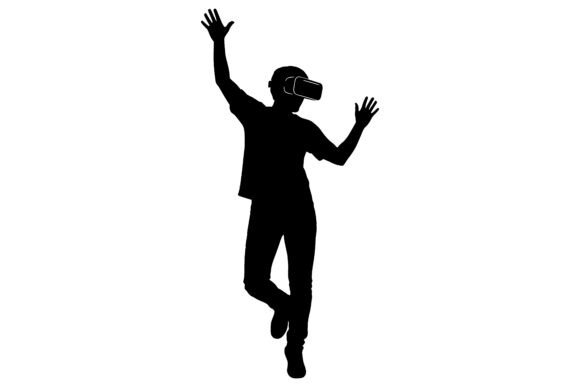
The young person dancing in a VR headset combines several powerful themes: movement, freedom, technological immersion, and human emotion. The dancing figure suggests agency, joy, and physical release. The VR headset introduces a layer of digital engagement, hinting at virtual spaces, future-facing experiences, and the blending of physical and digital realities. The isolated white background often used in these visuals strips away context, making the figure a universal symbol. This combination is not accidental. It speaks to a moment in culture where technology is not just a tool but a space for expression, play, and connection. For decision-makers, recognizing these layers allows you to align imagery with core messages about innovation, human-centered design, or the emotional payoff of your product or service.
Why This Image Resonates Across Audiences
The silhouette or outlined figure format amplifies the image's versatility. Without specific facial features or demographic markers, the figure becomes relatable to a broad audience—male, female, child, teenager, young adult. The pose, with arms raised and legs bent, conveys pure kinetic energy. This is not a static, posed shot. It is a freeze-frame of authentic motion. That sense of authentic joy and freedom is exactly what many brands and educators want to associate with their offerings. Whether you are selling VR hardware, digital platforms, learning experiences, or entertainment subscriptions, this visual cues the audience that your product enables positive, active engagement.
Strategic Alignment with Business and Communication Goals
Using this imagery thoughtfully can support several key objectives. It helps signal that your brand is modern, digitally fluent, and focused on user experience. It also communicates an emotional benefit: the feeling of excitement, happiness, and celebration that comes from using technology in a meaningful way. For internal communications or training materials, the same image can represent learning, exploration, and the energy of discovery. When you choose this image deliberately, it becomes a visual anchor for your message about progress, play, or possibility.
Reinforcing Brand Positioning in Competitive Markets
If your brand competes in entertainment, gaming, education, or lifestyle technology, the image of a young person dancing in a VR headset positions you at the intersection of human experience and digital innovation. It moves beyond sterile product shots and connects with the audience's desire for fun, freedom, and self-expression. In a crowded marketplace, that emotional differentiation matters. It tells your prospect: this is not just a device or a platform—it is a gateway to joy. For businesses targeting younger demographics, this visual shorthand validates their world and invites them to engage.
Practical Use Cases for Content and Campaigns
Beyond branding, the image serves specific roles in content strategy. Blog posts about the future of work, the metaverse, digital wellbeing, or the evolution of entertainment benefit from visuals that combine technology with human emotion. Social media campaigns promoting a new app, game, or immersive experience can use the dancing figure to convey the outcome of using your product rather than showing the product itself. It is a results-oriented visual that focuses on the feeling and the action, not the interface. For video thumbnails, website hero sections, or landing page headers, the high-energy pose immediately captures attention and suggests a positive, active user experience.
Supporting Internal and Educational Communication
Professionals creating training modules, onboarding materials, or internal newsletters can use this imagery to represent active learning, engagement, and the excitement of acquiring new skills. In educational contexts, the figure symbolizes a student immersed in a learning environment, fully present and enjoying the process. This can help shift internal culture toward a more positive relationship with technology and change. The minimalist design, especially the silhouette or vector outline, integrates smoothly into slide decks, manuals, and digital documents without overwhelming other content.
Considerations Before Selecting This Visual
Strategic use requires asking a few questions. Does the image align with your audience's actual experience? Are you selling a polished, high-end product where a more refined visual might be appropriate? The dancing figure is casual, energetic, and slightly playful. It may not suit every tone or industry. Businesses in finance, healthcare, or serious enterprise software may find the image undermines their authority if used in the wrong context. However, even in those industries, internal communications or innovation-focused initiatives can benefit from its energy. The key is matching the emotional tone to the specific message and channel.
Risks of Using the Image Without Clear Intent
Like any popular visual concept, overuse or random deployment can dilute impact. If audiences see this exact pose in multiple unrelated campaigns, it can feel generic rather than meaningful. That is why intentionality matters. Do not insert the image simply because it is available or trendy. Connect it explicitly to your message about motivation, engagement, freedom, or digital immersion. When the visual reinforces a clearly articulated benefit or value, it strengthens the communication. When it stands alone without context, it becomes decoration. Decoration does not drive decisions. Purposeful imagery supports understanding and recall.
Planning and Implementation Tips for Decision-Makers
If you decide to use this visual, consider the following strategic approaches to maximize its impact:
- Pair it with outcome-focused copy. The image of dancing suggests a result—happiness, release, success. Your headline or caption should connect that result to your product or idea. For example, "Experience the freedom of immersive learning" or "Where technology meets joy."
- Use it at moments of emotional payoff. Place the image on pages or sections where you want to build excitement, celebrate a milestone, or invite the user to imagine themselves benefiting from what you offer. Avoid using it alongside dry technical specifications or dense data.
- Consider customizing the silhouette. If you have the resources, modify the outline to represent your target audience more specifically. Adjust the pose slightly or add subtle branding elements. A unique version of a familiar concept retains recognition while feeling distinctive.
- Test different formats. The EPS file format allows scalability for print and large displays, while the JPG works for web use. Consider where the image will appear—social media, print ads, video, slide decks—and choose the format accordingly. The same figure can appear in color, monochrome, or as a pure outline depending on your brand palette.
- Respect the context of your medium. On a crowded social feed, a bold silhouette with high contrast grabs attention. In a white paper, a lighter, more subtle treatment may feel more appropriate. Adapt the rendering to the reading environment.
Long-Term Value of Thoughtful Visual Selection
Imagery is not a short-term tactic. Consistently using visuals that align with your brand's emotional promise builds a visual language over time. Audiences begin to associate certain poses, colors, and compositions with your identity. The young person dancing in a VR headset, when used repeatedly in the right contexts, becomes a mnemonic device for the energy and innovation your brand represents. That long-term association is far more valuable than any single campaign. It contributes to brand recall, emotional connection, and trust.
Balancing Modernity with Authenticity
The image's futurism is both a strength and a risk. It clearly signals that your brand is looking ahead. But if that signal is not backed by genuine innovation or customer experience, it becomes hollow. Authenticity in marketing is not optional. If you use futuristic imagery, ensure your product, service, or content delivers on the implied promise of a modern, enjoyable, or transformative experience. The dancing figure in a VR headset suggests a world where technology enhances human life. Make sure your audience finds that world when they engage with you.
Final Strategic Observations
The young person dancing in a VR headset is not just a picture of a person having fun. It is a strategic asset that communicates freedom, progress, engagement, and digital fluency. For entrepreneurs, marketers, creators, and decision-makers, the question is not whether to use it, but how to use it with purpose. Map it to your core message. Align it with the emotional outcome your audience seeks. Deploy it in channels where energy and movement reinforce your message. Avoid using it as filler. When chosen intentionally, this image becomes a visual shorthand for the value you create. Whether you are building a brand, launching a product, or educating a team, the right image at the right moment can shift perception and drive action. That is the power of thoughtful visual strategy.