Person Wearing VR Headset: Strategic Applications for Digital Immersion
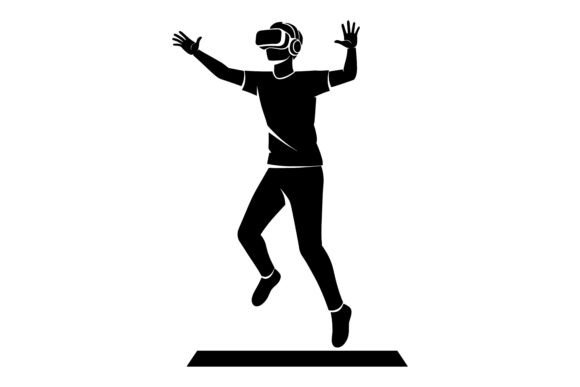
The image of a person wearing a VR headset has become one of the most recognizable symbols of technological progression. Whether rendered as a dynamic silhouette leaping against a monochrome backdrop or depicted as a detailed illustration of a gamer fully engaged in a virtual world, this visual represents far more than entertainment. For entrepreneurs, marketers, educators, and decision-makers, understanding the strategic value behind this imagery can inform branding, customer experience, and even operational planning. The figure in the headset is not just a player—it is a symbol of immersion, exploration, and the deliberate choice to step into another reality for a specific purpose.
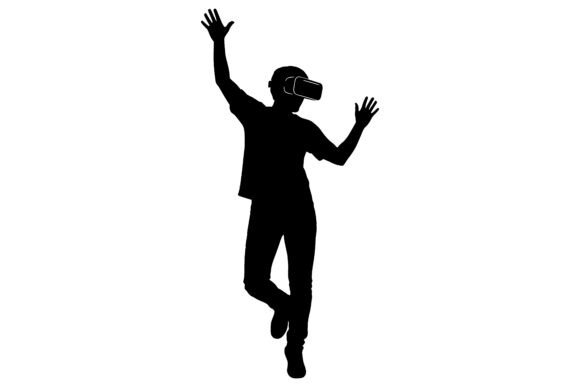
When we examine the silhouette of a person wearing VR goggles, we are looking at a representation of focused engagement. The posture—whether jumping, dancing, or reaching outward—suggests active participation rather than passive consumption. This distinction matters deeply for anyone considering how to integrate virtual or augmented reality into their business or creative practice. The person in the headset is not merely observing; they are interacting, deciding, and responding in real time. That behavioral shift from spectator to participant is where the real strategic opportunity lies.
Why the Person Wearing VR Headset Matters Beyond Gaming
Most people associate VR headsets with gaming, and for good reason. The gaming industry has driven much of the innovation in head-mounted displays, motion tracking, and spatial audio. But reducing the person wearing a VR headset to a gamer overlooks how this technology is reshaping training, collaboration, and customer engagement across industries. The figure in the silhouette could just as easily be a medical student practicing a procedure, an architect walking through a building before ground is broken, or a remote team member brainstorming in a shared virtual whiteboard.
The strategic value lies in the headset's ability to create a controlled, repeatable, and immersive environment. For a professional, this means being able to practice high-stakes tasks without real-world consequences. For a marketer, it means delivering an experience that creates emotional resonance far stronger than a video or brochure. For an educator, it means placing a learner inside a historical event or scientific concept rather than simply describing it. The person wearing VR is not escaping reality; they are engaging with a purpose-built version of it.
Aligning VR Imagery with Brand Positioning
If you are a creator or business owner, using the image of a person wearing a VR headset in your materials communicates forward thinking. But the way you present that figure matters. A static, isolated silhouette on white background suggests clarity and focus. It implies that the technology is accessible and uncluttered. A dynamic pose—arms extended, body in motion—conveys energy, discovery, and active use. Choosing between these visual approaches is a strategic decision about how you want your audience to perceive innovation. Are you selling precision and simplicity, or excitement and transformation?
For brands targeting professionals, the calmer silhouette may work better. It signals that VR is a tool, not a toy. For campaigns aimed at creators or early adopters, the jumping or dancing figure creates a sense of possibility and fun. Neither approach is inherently better, but each aligns with different goals. Understanding this distinction can improve how you communicate your value proposition without saying a word.
Practical Applications for Decision-Makers
If you are evaluating whether VR or AR technology fits into your operations, start by identifying the specific outcome you want to improve. The person wearing a VR headset is not a solution in itself; it is a method. Here are several areas where the technology has demonstrated measurable impact:
- Training and skill development: Employees can practice complex procedures in a safe, repeatable environment. This reduces risk, material costs, and time spent on supervision.
- Product design and prototyping: Walking around a 3D model before production begins allows teams to spot flaws and test ergonomics early.
- Remote collaboration: Virtual meeting spaces can feel more natural than video calls, especially for brainstorming or spatial tasks.
- Customer experience: Offering a virtual demo of a product or service can increase purchase confidence and reduce returns.
- Therapy and wellness: Controlled exposure therapy and mindfulness applications are growing areas of clinical use.
Each of these use cases depends on the same core principle: the headset creates a boundary between the user and their physical surroundings, allowing them to focus fully on a designed experience. That focus is the resource you are leveraging. If your goal does not benefit from heightened concentration and sensory immersion, VR may not add value.
When to Use VR as a Communication Tool
Marketers and content creators should consider VR when their message benefits from spatial understanding or emotional presence. For example, a real estate developer could use a virtual walkthrough to let potential buyers feel the layout of a property before it is built. A travel company could offer a preview of a destination that goes beyond photos and video. In these cases, the person wearing the headset is experiencing something that cannot be fully conveyed through flat media.
However, VR is not always the right choice. If your message is simple or informational, a well-designed infographic or short video may be more efficient. The barrier to entry—requiring a headset, setup time, and physical space—means that VR should be reserved for experiences where immersion directly supports understanding or emotional impact. Asking someone to put on a headset for a 30-second promotional message is likely to feel gimmicky rather than valuable.
Strategic Considerations Before Adopting VR
Jumping into VR without clear goals is a common mistake. The technology is compelling, and the imagery of a person fully engaged in a virtual world can lead decision-makers to assume it will automatically captivate their audience. In reality, the headset is a tool that amplifies whatever experience you design. If the underlying content or interaction is weak, immersion will only make its flaws more obvious.
Before committing to a VR project, ask yourself these questions:
- What specific problem am I solving? If you cannot articulate the gap that VR fills, you probably do not need it yet.
- Who is my user, and what is their comfort level with technology? A person wearing a VR headset for the first time may need onboarding and support.
- How will I measure success? Are you looking for engagement time, completion rates, sales conversions, or learning outcomes?
- What is the cost of producing the experience relative to the expected return? High-quality VR content requires specialized skills and tools.
These questions help you avoid the trap of using VR because it is trendy rather than because it is effective. The silhouette of a person in a headset may look futuristic, but the decision to adopt it should be grounded in practical planning, not aesthetics.
The Risk of Using VR Without Context
One of the less discussed challenges is the cognitive load that VR places on users. A person wearing a headset is cut off from their physical environment, which can be disorienting or even uncomfortable if the experience is poorly designed. If your VR application does not provide clear guidance, intuitive controls, and a comfortable pacing, users may disengage quickly. Worse, they may associate your brand with a negative experience.
There is also the risk of overpromising. Marketing materials featuring dynamic VR silhouettes often imply that the technology is seamless and universally accessible. In reality, hardware limitations, motion sickness, and physical space constraints can affect who can participate. Being transparent about these limitations builds trust and sets realistic expectations. A person jumping in a silhouette looks effortless, but the actual user may need to clear furniture, adjust straps, and calibrate sensors. Acknowledge these realities in your planning.
Long-Term Value and Integration
The most successful uses of VR are those that integrate into existing workflows rather than standing alone as novelty experiences. For example, a training program that combines VR simulations with follow-up discussions and assessments will likely outperform one that relies solely on the headset. Similarly, a marketing campaign that uses VR as one touchpoint in a larger customer journey allows people to engage at their own comfort level.
As the technology matures, the figure of a person wearing a VR headset will likely become less remarkable and more ordinary. That shift is already happening as headsets become lighter, cheaper, and more socially acceptable. For early adopters, the window to differentiate using VR is narrowing. If you are considering it, the time to experiment and learn is now, while the field is still developing and audiences are curious.
Practical Steps for Getting Started
If you are convinced that VR has a place in your strategy, begin with small, targeted projects. Do not try to build an entire virtual world on your first attempt. Instead, identify one specific interaction that would benefit from immersion. Prototype it quickly, test it with a small group, and gather feedback. The insights you gain from watching a real person wearing a headset and navigating your content will be far more valuable than any amount of planning on paper.
Pay attention to the physicality of the experience. A dynamic pose in a silhouette suggests freedom of movement, but in practice, you need to design for the constraints of the user's actual space. Make sure your experience can be enjoyed while sitting as well as standing, and avoid requiring rapid or large movements unless they serve a clear purpose. Accessibility matters.
Final Strategic Perspective
The image of a person wearing a VR headset—whether a crisp vector illustration or a high-contrast silhouette—is a powerful shorthand for innovation, focus, and active engagement. But the real value lies not in the image itself, but in what it represents: a deliberate choice to design experiences that demand attention and reward involvement. For entrepreneurs, marketers, educators, and professionals, the question is not whether VR is cool, but whether it serves your goals better than the alternatives.
Treat the person in the headset as a user with a job to do, not an audience to impress. When you design for their success—whether that means learning a skill, making a purchase decision, or exploring a concept—the technology becomes a means to an end. And that is where real strategic advantage emerges. The silhouette may be black and white, but the thinking behind it should be nuanced, intentional, and grounded in the outcomes you actually want to achieve.