Cyberpunk Skull with Glowing Circuit: A Practical Guide to Choosing and Using Futuristic Tech Art
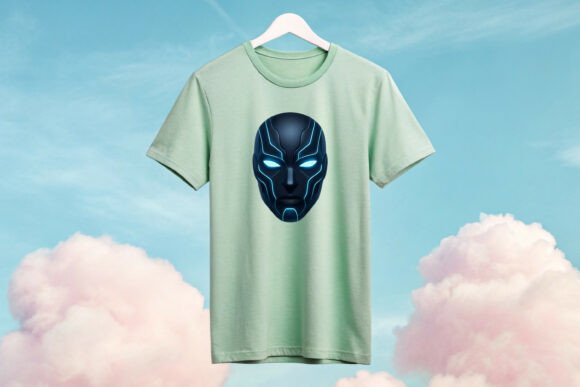
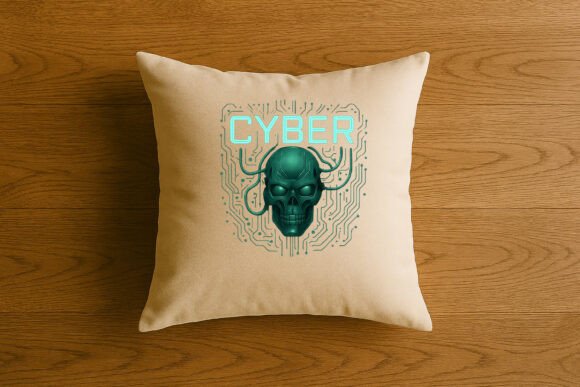
Step into the neon-drenched future with a design that fuses mortality and machine: the cyberpunk skull with glowing circuit. This electrifying visual features a hyper-detailed skull merged with glowing circuit board elements, pulsing with digital energy. Chrome textures, neon accents in electric blue, magenta, and acid green, and layered depth create an immersive sci-fi aesthetic. Whether you’re a gamer, content creator, or tech enthusiast, this style has become a go-to symbol for transhumanism and digital rebellion. But before you buy, download, or use such an asset, understanding what makes a quality design—and avoiding common pitfalls—can save you time, money, and frustration.
What Exactly Is a Cyberpunk Skull with Glowing Circuit?
At its core, this design combines a human skull with detailed circuit board patterns and neon glow effects. The skull often appears cybernetic, with chrome or metallic finishes, while the background integrates data streams, microchip motifs, and digital noise overlays. High-resolution versions (like the 4000×4000 px transparent PNG) are optimized for both print and digital use. The appeal lies in the contrast: organic bone meets synthetic technology, lit by futuristic lighting. This visual has become popular for wall art in gaming setups, tech offices, and creative studios, as well as for merch like posters, apparel, laptop skins, and even NFT-style collectibles.
However, many people jump into using such graphics without checking critical specs, leading to disappointing results. Let’s explore the most common mistakes and how to avoid them.
Ignoring Resolution and File Format
One of the biggest errors is assuming any skull image with neon colors will do. Low-resolution graphics look pixelated when printed or stretched as wallpapers. For professional results, you need a high-resolution file—ideally 4000×4000 px or higher. A transparent PNG with layered glow effects is essential for flexibility. Without transparency, you cannot overlay the skull onto different backgrounds cleanly. Many buyers download JPEGs that lack alpha channels, only to struggle with white or black boxes around the design.
Better approach: Always confirm the file format. Look for “transparent PNG” and check the pixel dimensions. For merch or digital use, 300 DPI is best for print, and 4000×4000 px works for both A4 and square formats. Avoid compressed images that lose detail in the glowing circuits.
Overlooking Color Palette Consistency
Cyberpunk aesthetics rely on specific neon hues—electric blue, magenta, acid green—offset by dark backgrounds. A design that uses muddy or mismatched colors will look amateurish. Some assets claim to be cyberpunk but use flat colors without true glow effects. This misleads buyers who expect the vibrant, immersive look seen in previews.
Better approach: Examine the color palette carefully. Confirm that the design includes layered glow effects, not just a single filter. Ask for samples on different background colors if possible. A quality cyberpunk skull will pop against black, but maintain readability on white or light surfaces.
Neglecting Scalability and Layering
Many assume a single flat image works for all uses. In reality, good cyberpunk art includes multiple layers: the skull itself, circuit traces, glow effects, and background elements. If you plan to use it for wall art, apparel, or digital compositing, you need files that allow you to separate these layers. A flattened image limits your ability to adjust lighting or remove the background for different media.
Better approach: Seek assets labeled as “layered” or with separate glow layers. For professionals, even a well-made transparent PNG with isolated elements can be enough, but vector-based versions offer even more flexibility. Check the product description: if it says “print-ready” and “optimized for stock platforms,” it likely meets these needs.
Aspect Ratio and Composition
A common oversight is failing to match the aspect ratio to the intended use. A square 4000×4000 px file is perfect for social media profile images or NFT displays, but a 16:9 or 3:2 ratio works better for desktop wallpapers or posters. Many buyers download a square asset and crop it awkwardly, losing key elements like glowing data streams or the jawline of the skull.
Better approach: Before purchasing, list your primary use cases. For a gaming setup poster, consider a design that comes in multiple aspect ratios or is centered with enough bleed. Some sellers offer variants—check if the asset is available in vertical, horizontal, or square versions. Even a single high-res square can be cropped, but you’ll preserve more detail if the focal point is central.
Glow Effects and Digital Noise
The glowing circuits are the main attraction, but many cheap replicas use static glow that looks fake. Authentic cyberpunk art employs realistic glow techniques: inner shadow, outer glow, and blur layers that mimic neon lighting. Digital noise overlays (grain or scan lines) add texture but can clutter the image if overdone. Poorly applied noise makes the skull look dirty rather than futuristic.
Better approach: Look for assets described as having “futuristic lighting effects” and “layered depth.” If possible, view the design at 100% zoom to see how the glow transitions. The best designs have smooth gradients, not harsh edges. Also check that the noise is subtle and adds atmosphere without obscuring details.
Licensing and Commercial Use Rights
A critical but frequently overlooked detail is the license. Many free or low-cost cyberpunk graphics come with restrictions: no commercial use, no redistribution, or no use on merchandise. If you plan to sell prints, apparel, or use the design in a game or video, you need a royalty-free commercial license. Ignoring this can lead to legal issues and wasted investment.
Better approach: Always read the license agreement. Look for terms like “commercial use,” “merch-ready,” or “royalty-free.” Reputable stock platforms clearly state rights. For maximum flexibility, choose assets that allow modification, especially if you want to add your own branding or adjust colors.
Practical Advice for Getting the Most Out of Your Cyberpunk Skull Design
Now that you know what to avoid, here’s how to use your asset effectively.
Test on Different Backgrounds
Before committing to a final use, download a sample version (if available) and place the skull on black, white, and textured backgrounds. A good transparent PNG should hold up without halos or edge artifacts. If the glow looks dull or the skull loses definition, consider a different asset. For example, a design that works well on a dark gaming setup might fade on a light t-shirt. Testing prevents costly reprints.
Optimize for Print vs. Digital
For print, ensure the file is at least 300 DPI at your desired output size. A 4000×4000 px PNG at 300 DPI prints to about 13.3 inches square—perfect for posters. For digital use, such as a web banner or social media graphic, you can reduce the resolution but maintain sharpness. Use tools like Photoshop or GIMP to adjust levels, contrast, and saturation to match your display’s color profile. Many cyberpunk designs benefit from a slight increase in contrast to make the glow pop.
Composition with Other Elements
The skull works well as a central motif, but you can combine it with typography, glitch effects, or other tech motifs. If you’re creating branding for a content channel, experiment with overlaying the skull on code snippets or data streams. The key is balance: keep the skull prominent while integrating supporting elements. Avoid cluttering the composition with too many competing graphics.
What to Check Before You Buy or Download
Use this checklist to make a confident decision:
- Resolution: Minimum 3000×3000 px; 4000×4000 px is ideal for square prints and digital storefronts.
- File format: Transparent PNG with layered glow effects. Avoid flat JPEGs.
- Color palette: Electric blue, magenta, acid green, with dark/neon contrast. Verify via previews on different backgrounds.
- Glow quality: Smooth gradients, realistic lighting, no harsh edges.
- Scalability: Can you resize without loss? Vector (SVG, AI, EPS) offers ultimate flexibility, but high-res PNG works for most uses.
- Intended use: Wall art, merch, gaming setups? Confirm aspect ratio and DPI compatibility.
- License: Commercial use allowed? Redistribution rights? Check for “merch-ready” or “royalty-free.”
- Delivery: Immediate download? Multiple files included (e.g., color variants, layered versions)?
- Reviews and seller reputation: Look for feedback from other buyers, especially regarding print quality and file integrity.
Making an Informed Choice
The cyberpunk skull with glowing circuit design is more than a cool graphic—it’s a statement of futuristic identity. By avoiding common mistakes like ignoring resolution, format, licensing, and composition, you can use this asset to elevate your project, whether it’s a gaming room mural, a brand logo, or a digital collectible. Take the extra time to verify specs, test on multiple backgrounds, and choose a file that gives you room to adapt. The result will be a striking, professional-looking piece that stands out in any tech-themed environment.